A Buyer's Guide to Bethlehem Homes for Sale in Pennsylvania's Historic City
Why Bethlehem Still Draws Buyers After All These Years
Bethlehem, Pennsylvania, sits about 50 miles north of Philadelphia and 90 miles west of New York City. It is a city that has reinvented itself more than once, and that resilience shows in its housing market. People move here for the walkable historic districts, the strong sense of community, and the relative affordability compared to the big cities on either coast. When you start looking at bethlehem homes for sale, you quickly see that this is not a one-size-fits-all market. The city offers everything from 18th-century stone houses to modern condos in converted steel mills.
The Lehigh Valley as a whole has seen steady population growth over the past decade, and Bethlehem is the center of much of that activity. The presence of Lehigh University and Moravian University brings a steady stream of faculty, staff, and students who often decide to stay after graduation. Add to that the growing healthcare and logistics sectors, and you have a market that does not swing wildly with national trends. It is a steady, grounded place to buy a home.
Neighborhoods Worth Your Time
Bethlehem is not a sprawling suburb. It is a compact city with distinct neighborhoods, each with its own character and price range. Knowing the differences can save you a lot of driving around.
Historic Bethlehem
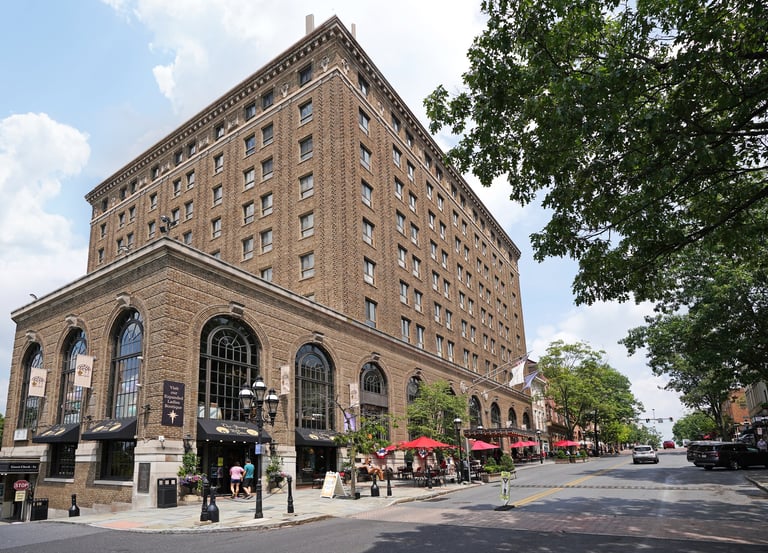
The Historic District around Main Street and Church Street is the postcard version of the city. Cobblestone streets, 18th-century Moravian buildings, and a walkable downtown with independent shops and restaurants. Homes here tend to be older, smaller, and more expensive per square foot than elsewhere in the city. Many are row houses or small single-family homes. If you want character and proximity to cultural amenities like the Bach Choir or Musikfest, this is the area. But be prepared for limited parking, older mechanical systems, and stricter historic preservation rules. A buyer looking at bethlehem homes for sale in this district should budget for ongoing maintenance and possibly higher insurance costs on older structures.
West Bethlehem
West of the Lehigh River, the feel changes. You get wider streets, larger lots, and more mid-century ranches and split-levels. This part of the city is less touristy and more family-oriented. The schools in the West side are well-regarded, and you can often find a three-bedroom home with a yard for a price that would get you a one-bedroom condo in the Historic District. The trade-off is that you lose the walkability. Most errands require a car. But for families who want space and a quieter setting, West Bethlehem is a strong contender.
South Side
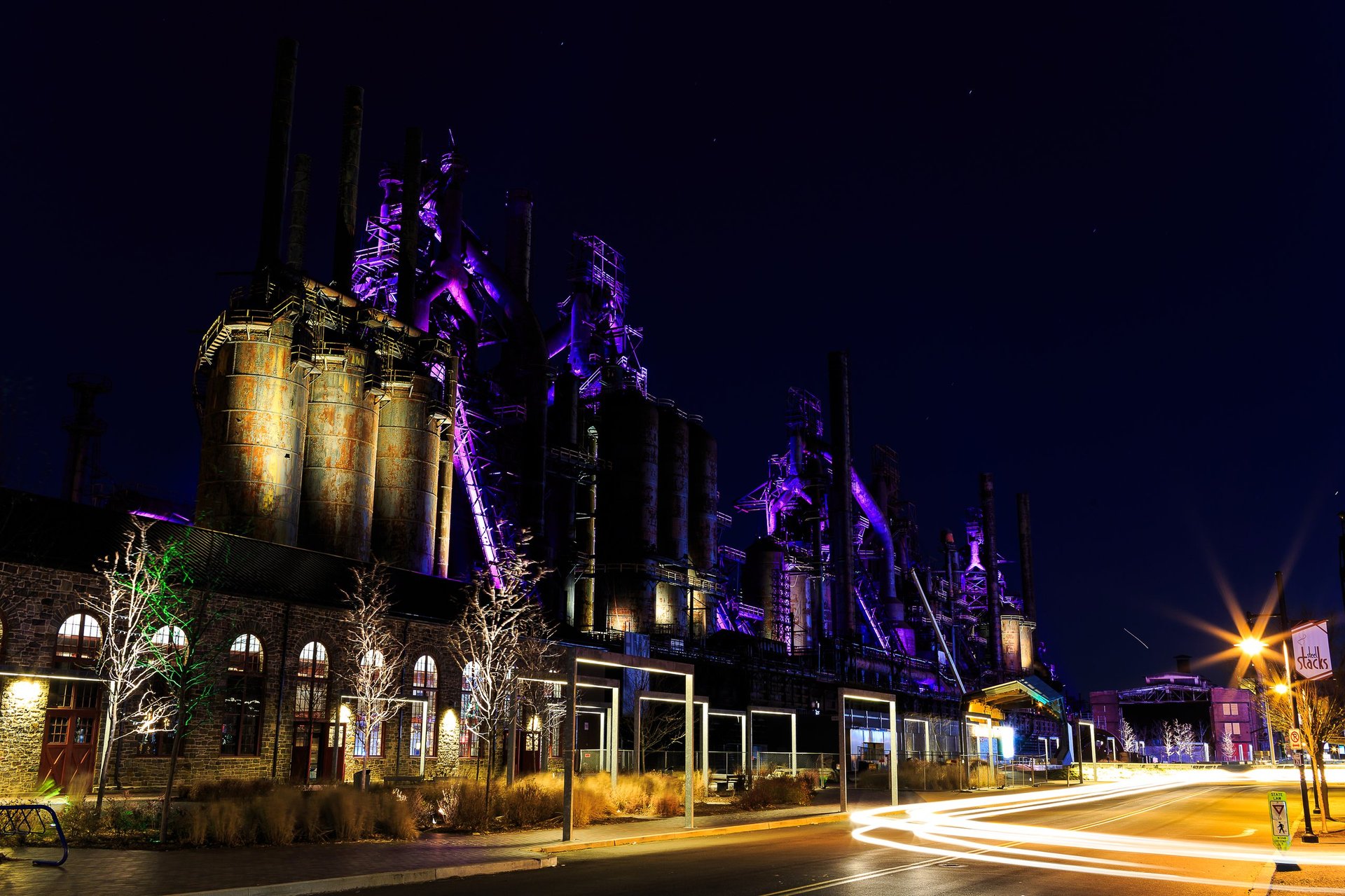
The South Side, anchored by Lehigh University, has a younger, more energetic feel. It is a mix of student rentals, modest single-family homes, and newer infill development. The SteelStacks arts campus has transformed the area, bringing a concert venue, a farmers market, and a public green space. Prices here are generally lower than the Historic District but have risen steadily over the past five years. The South Side can be noisier on weekends, and parking is tight near campus. But for first-time buyers or investors looking for rental properties, it offers good value and upside.
Northeast Bethlehem
This section runs from the eastern edge of the Historic District out toward the city line with Lower Saucon. It is mostly residential, with a mix of older homes and some newer construction. The lots are modest, and the streets are tree-lined. It is a quiet area with easy access to Route 412 and Interstate 78. Homes here tend to move quickly when priced right, so you need to be ready to act.
What Prices Look Like Right Now
I have been tracking the Bethlehem market for several years, and the pattern is consistent. The median sale price for a single-family home hovers around $280,000 to $320,000, depending on the season. Condos and townhouses come in lower, typically between $180,000 and $250,000. At the top end, you can find historic homes on Market Street that push past $700,000, but those are the exception.
One thing that surprises out-of-town buyers is how fast decent properties go. A well-priced home in a good neighborhood often has multiple offers within the first week. That is not a market frenzy like you see in some coastal cities, but it does mean you should have your financing lined up before you start seriously looking. Sellers here are practical. They are not holding out for a bidding war, but they will not wait around for a lowball offer either.
Hidden Costs and Practical Trade-Offs
Buying a home in Bethlehem is not just about the sticker price. Older homes, especially those built before 1950, may need updated electrical, plumbing, or roofing. Bethlehem has a high water table in some areas, so basement moisture is a common issue. Get a thorough inspection, and do not skip the radon test. Radon is a real concern in the Lehigh Valley, and mitigation can cost a few thousand dollars.
Property taxes in Bethlehem are moderate for Pennsylvania. The combined city and school district rate is about 2.5% of assessed value. That is higher than some surrounding townships but lower than New Jersey or New York. You get what you pay for in terms of city services and school quality.
Who Should Buy Here
Bethlehem is not for everyone. If you want a brand-new house on a large lot with no historic restrictions, look to the suburbs like Hanover Township or Lower Macungie. But if you value walkability, history, and a real downtown, Bethlehem is hard to beat. It works especially well for:
- Professionals who commute to the Lehigh Valley or Philadelphia a few days a week.
- Empty nesters who want to downsize into a condo or row house near restaurants and culture.
- Faculty or staff at the local universities who want a short commute.
- Families who want good public schools without the premium of a exclusive suburb.
- Investors looking for stable rental demand from students and young professionals.
How to Approach the Search
If you are serious about buying here, start by driving through the neighborhoods on a weekday and a weekend. See how the traffic feels. Walk Main Street on a Saturday afternoon. Get a feel for the rhythm of the city. Then talk to a local real estate agent who knows the ins and outs of each area. A good agent can tell you which streets flood, which schools have waiting lists, and which blocks are quiet versus busy.
When you do find a property you like, move quickly. Have your pre-approval letter ready, and be prepared to make a decision within 24 hours. In a market where bethlehem homes for sale receive multiple offers, hesitation can cost you the house.
The Big Picture
Bethlehem is a city that rewards patience and research. It is not a flip-and-flash market. It is a place where people buy a home and stay for a decade or more. The housing stock is diverse, the community is engaged, and the location is convenient without being overrun. If you are looking for a home that has character and a sense of place, this is a good place to put down roots. Just do your homework, work with people who know the area, and keep your expectations grounded in reality. That approach will serve you better than chasing trends or trying to time the market.